
One-Page vs Multi-Page: Which is Right for Your Practice?
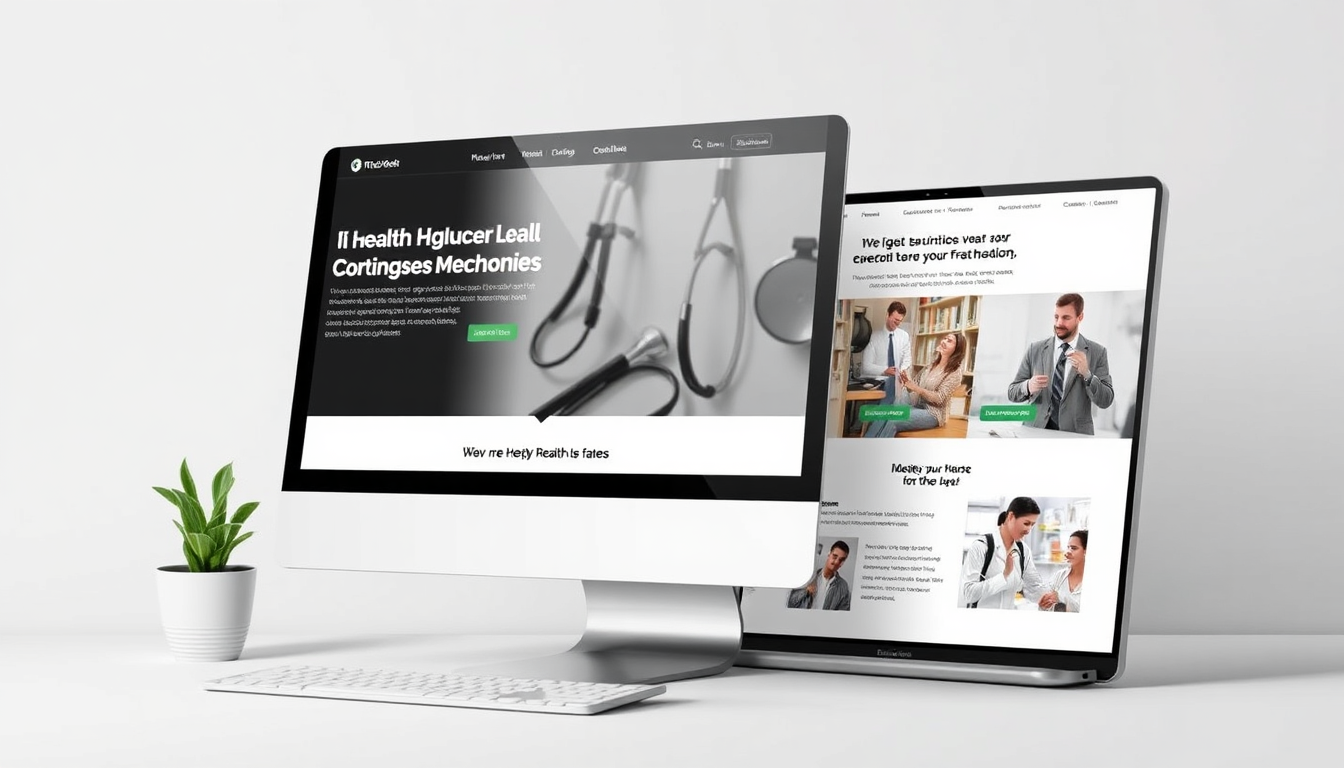
You've decided your dental practice, clinic, or therapy practice needs a website. Great! Now comes the first big decision: should you get a one-page website or a multi-page website?
It's not an obvious choice. Both options can work beautifully—but they serve different purposes. The right choice depends on your practice, your services, and your goals.
Let me walk you through the differences, the pros and cons, and help you decide which is right for your health practice.
What's a One-Page Website for a Health Practice?
A one-page website does exactly what it sounds like: all your content lives on a single, scrolling page. Visitors scroll down to see your practice introduction, services, practitioner bio, testimonials, and contact information—all in one continuous flow.
Think of it like a professional brochure:
- Clean and professional
- Easy for patients to navigate (just scroll)
- Everything in one place
- Fast to build and launch
- Perfect for solo practitioners
What's a Multi-Page Website for a Health Practice?
A multi-page website has separate pages for different types of content. You might have a Home page, Services pages, About page, Team page, Patient Resources page, and Contact page—each with its own URL.
Think of it like a well-organized clinic:
- Organized by service or department
- More space for detailed information
- Better for multi-practitioner practices
- More pages = more SEO opportunities
- Ideal for practices with multiple specialties
Quick Analogy:
A one-page website is like a solo practitioner's office—everything you need is in one place, personal and direct. A multi-page website is like a multi-specialty clinic—different departments, more resources, and you know exactly where to go for what you need.
Comparison: One-Page vs Multi-Page for Health Practices
| Feature | One-Page Practice | Multi-Page Practice |
|---|---|---|
| Best for | Solo practitioners | Multi-practitioner clinics |
| Services | Overview of main services | Dedicated pages for each service |
| Team | Brief bio of one practitioner | Individual pages for each practitioner |
| Patient resources | Limited space | Dedicated resources page |
| New patient forms | Download links | Dedicated forms page |
| Blog/Articles | Not included | Share health tips and news |
| SEO potential | Good for practice name and location | Excellent for service keywords |
| Launch speed | Very fast (3-5 days) | 1-2 weeks |
| Cost | $600 – $1,200 | $1,500 – $4,000+ |
When to Choose a One-Page Website
A one-page website might be right for your practice if:
- You're a solo practitioner (one dentist, one therapist, one chiropractor)
- You're just starting out and need a simple online presence quickly
- You have one main service focus (general dentistry, physiotherapy, etc.)
- Your goal is simple: help new patients find you, learn about you, and contact you
- You're on a tight budget but still want something professional
- You want to launch fast and can add more later
Examples of practices that work well with one-page:
- Solo dentist starting their first practice
- Independent therapist or counselor
- Solo chiropractor
- Small physiotherapy clinic with one practitioner
Real example:
A physiotherapist in Edmonton started her practice and needed a website quickly. A one-page site with her services, bio, and contact information was live in 4 days for $800. She started getting calls from new patients within the first week.
When to Choose a Multi-Page Website
A multi-page website might be right for your practice if:
- You have multiple practitioners in your clinic
- You offer many different services that need detailed explanations
- You want to rank for many keywords on Google (different services, conditions, etc.)
- You have patient resources to share (forms, articles, FAQs)
- You want to showcase before/after photos (especially for cosmetic dentistry)
- You're an established practice ready to build a stronger online presence
Examples of practices that work well with multi-page:
- Dental clinic with multiple dentists and specialties
- Physiotherapy clinic with multiple therapists
- Medical clinic with various services
- Cosmetic dentistry practice with before/after gallery
The SEO Factor (Especially Important for Health Practices)
This is often the deciding factor for health practices. Here's how SEO differs between the two:
One-Page SEO:
Your entire website focuses on a handful of keywords. If you're a dentist in Edmonton, you can optimize for "dentist Edmonton" and maybe a few related terms. That's it.
Multi-Page SEO:
Each page can target different keywords. For a dental practice, you could have:
- A page for "general dentistry Edmonton"
- A page for "cosmetic dentistry Edmonton"
- A page for "emergency dentist Edmonton"
- A page for "teeth whitening Edmonton"
- Individual pages for each dentist on your team
- Blog posts about dental health topics
That's many opportunities to show up in Google searches instead of just one.
For health practices, this is huge. Each service page is another chance to appear when someone searches for that specific treatment.
What About Online Booking?
If you want patients to book appointments online, that's a feature that works with both one-page and multi-page sites. I can integrate online booking regardless of which structure you choose.
Can You Start One-Page and Upgrade Later?
Absolutely. Many health practices start with a one-page website to get online quickly and affordably. As they grow and add more services or practitioners, they upgrade to a multi-page site with better organization and SEO.
I design all my websites with future growth in mind, so upgrading is smooth and cost-effective.
Still Not Sure?
That's what the Visibility Report is for. For $100, I'll review your practice, your services, your goals, and your competition—and give you a clear recommendation on which option is right for you.
Ready to Get Started?
Whether you're leaning toward one-page or multi-page, I'm here to help. Let's talk about your practice and find the perfect solution to bring more patients through your doors.

Written by Stephanie
Freelance web designer helping small businesses across Canada get found online. I build modern, mobile-friendly websites that attract customers.
You might also like
5 min read
5 min read